Overview
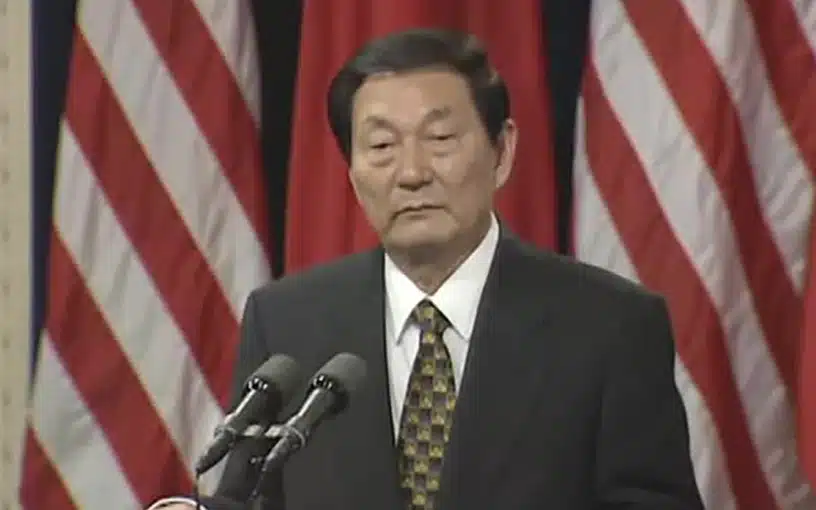
Skip and Dez begin with Zhu’s early life in Changsha, Hunan. Orphaned as a child, he went on to study electrical engineering at Tsinghua University before beginning a career in industrial and economic planning. But his career was interrupted after he criticized problems in government economic policy during the 1950s. Zhu was branded a ‘rightist’, expelled from the Communist Party and later sent to the countryside.
His political fortunes changed in 1978, when his rightist designation was overturned and his Party membership restored. Zhu quickly rose through China’s economic bureaucracy before being sent to Shanghai, where he became mayor in 1988 and later the city’s top Party official. There, he promoted foreign investment, infrastructure development and financial reform as Shanghai began its transformation into a major international business center.
Skip and Dez then look at Zhu’s move to Beijing and his role in dealing with China’s overheating economy during the early 1990s. With inflation reaching around 24% in 1994, Zhu helped tighten bank lending and reform taxation, banking and foreign exchange. China eventually achieved a ‘soft landing’, reducing inflation while maintaining economic growth.
They also examine the much more painful restructuring of China’s state-owned enterprises. After becoming premier in 1998, Zhu accelerated the closure and restructuring of loss-making companies, forcing businesses to become more efficient but also contributing to millions of workers losing their jobs.
Finally, Skip and Dez explore what became one of Zhu’s defining economic projects — China’s entry into the World Trade Organization. After almost 15 years of negotiations, China officially became the WTO’s 143rd member on December 11, 2001. The move opened China further to international trade and investment and helped accelerate its integration into global manufacturing and commerce.